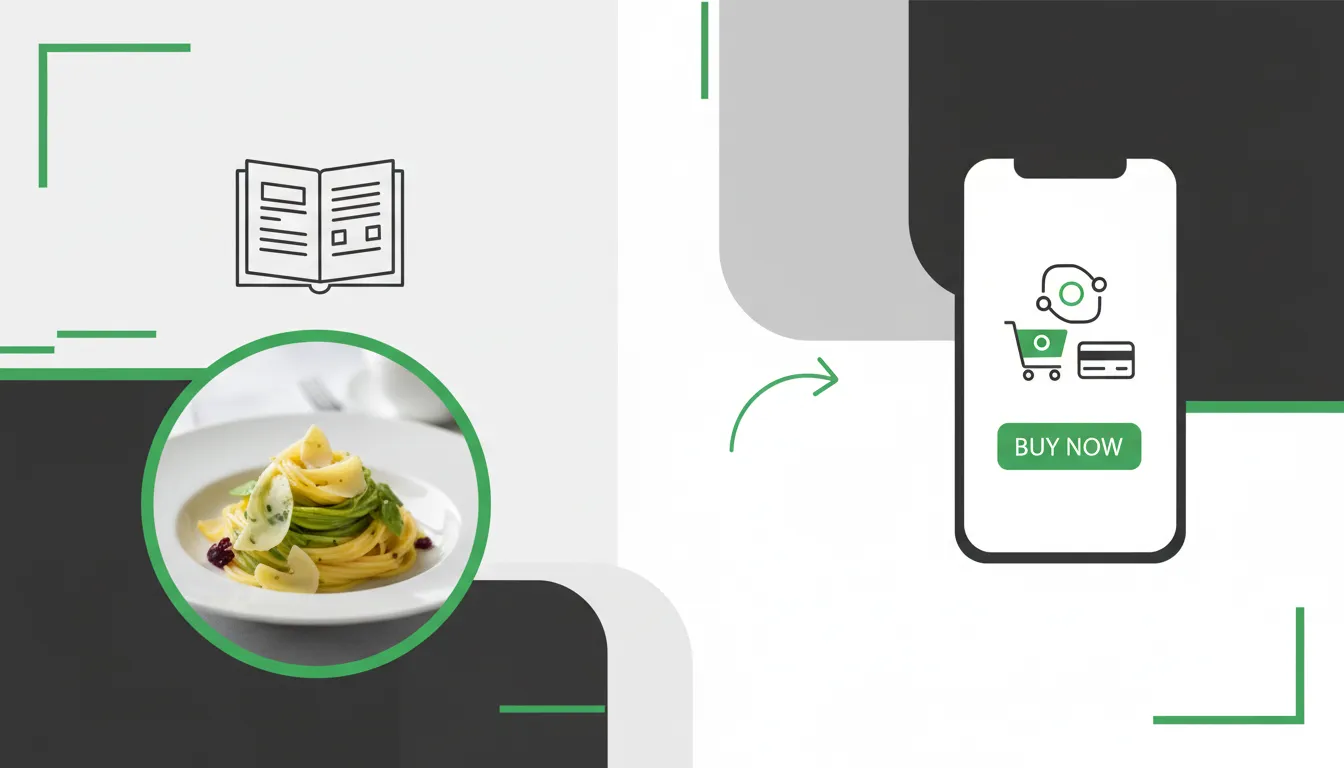
The restaurant industry has changed permanently. At Camfirst Solutions, we see this every day: diners now decide where to eat long before they walk through your door — they decide on their phones, scrolling through search results, reading reviews, and browsing menus online. A restaurant without a strong website is invisible to a growing share of its potential customers. In 2026, your website is not just a digital brochure. It is your most powerful tool for filling tables and driving revenue.
This guide covers everything restaurant owners need to know about building a website that attracts diners, converts visitors into customers, and keeps them coming back.
Why Restaurants Need a Modern Website
Many restaurant owners still rely on third-party platforms like Yelp, Google Business Profile, or food delivery apps as their primary online presence. While those channels matter, they come with significant drawbacks: high commission fees, limited branding, and zero ownership of the customer relationship.
A well-designed restaurant website puts you in control. It allows you to:
- Own the customer experience from the first click to the final reservation
- Eliminate or reduce commission fees from third-party ordering platforms
- Build your brand identity with custom visuals, messaging, and storytelling
- Collect customer data for email marketing, loyalty programs, and targeted promotions
- Rank higher in local search results with content you control
Restaurants that invest in professional web development consistently outperform competitors who rely solely on third-party listings. Your website is the one digital channel where you set the rules.
Online Ordering Integration
Online food ordering has grown dramatically, and customers now expect to order directly from a restaurant’s website. Integrating an online ordering system is no longer optional — it is a core revenue driver.
Key Features for Online Ordering
- Real-time menu management — Update items, prices, and availability instantly without relying on a third party
- Customization options — Let customers modify dishes (add toppings, select sides, specify dietary preferences)
- Secure payment processing — Support credit cards, digital wallets like Apple Pay and Google Pay, and other modern payment methods
- Order tracking — Give customers visibility into their order status from confirmation to delivery or pickup
- Scheduled orders — Allow customers to place orders in advance for a specific pickup or delivery time
The best online ordering systems integrate directly into your website rather than redirecting customers to an external platform. This keeps your branding consistent and avoids the commission fees that third-party apps charge. A custom e-commerce solution can be tailored to your restaurant’s specific workflow, whether you operate a single location or a multi-unit franchise.
Menu Design That Sells
Your menu is the single most important page on your restaurant website. It is where the buying decision happens. Yet many restaurant websites still present their menus as a downloadable PDF — a format that is difficult to read on mobile, impossible for search engines to index, and frustrating for customers.
Best Practices for Digital Menu Design
- Use HTML-based menus instead of PDFs so the content is searchable, accessible, and responsive
- Organize by category with clear sections (appetizers, entrees, desserts, drinks) and intuitive navigation
- Include high-quality food photography for signature dishes — visual menus increase order values by up to 30%
- Highlight popular and high-margin items with subtle visual emphasis
- Display dietary information clearly, including allergen warnings, vegetarian, vegan, and gluten-free labels
- Keep prices visible and current — nothing erodes trust faster than outdated pricing
Effective menu design is a discipline that blends UI/UX principles with an understanding of customer psychology. The layout, typography, color, and imagery all influence what your customers order.
Reservation and Table Booking Systems
For dine-in restaurants, a seamless reservation system removes friction from the booking process. Customers should be able to reserve a table in under 30 seconds without making a phone call.
What to Look For in a Reservation System
- Real-time availability that reflects your actual table inventory
- Confirmation emails and SMS notifications sent automatically
- Calendar integration so reservations appear in the customer’s phone calendar
- Waitlist management for busy periods, with automated notifications when a table opens
- Integration with your POS system to connect front-of-house reservations with back-of-house operations
Popular reservation platforms like OpenTable and Resy can be embedded directly into your website. For restaurants that want to avoid per-cover fees, custom-built reservation systems offer a cost-effective alternative with full data ownership.
Mobile-First Design Is Non-Negotiable
Over 75% of restaurant website traffic comes from mobile devices. People search for restaurants on their phones while walking down the street, riding in a car, or sitting at their desk deciding where to order lunch. If your website does not perform flawlessly on a small screen, you are losing customers.
Mobile-First Essentials
- Fast load times — Your site should load in under three seconds on a mobile connection. Every additional second increases bounce rates significantly.
- Tap-friendly navigation — Buttons and links should be large enough to tap accurately without zooming
- Sticky header with key actions — Keep your phone number, online ordering button, and reservation link accessible at all times
- Simplified layouts — Avoid cluttered pages that require excessive scrolling or pinching to read
- Click-to-call functionality — One tap should initiate a phone call to your restaurant
Mobile-first design is not about shrinking a desktop site to fit a phone screen. It means designing for the phone first and scaling up to desktop. This approach, combined with solid UI/UX design practices, ensures every visitor has a seamless experience regardless of device.
Local SEO for Restaurants
When someone searches “best Italian restaurant near me” or “sushi delivery in [your city],” your website needs to appear in those results. Local SEO is the practice of optimizing your online presence to attract customers from geographically relevant searches.
Local SEO Strategies That Work
- Optimize your Google Business Profile — Keep your hours, address, phone number, and menu link accurate and up to date
- Use location-specific keywords throughout your website content, page titles, and meta descriptions
- Build local citations — Ensure your restaurant’s name, address, and phone number (NAP) are consistent across all directories
- Create location pages if you operate multiple locations, each with unique content tailored to that area
- Earn backlinks from local sources — Food bloggers, local news outlets, and community directories. For a deeper comparison of geographic targeting approaches, read our guide on local SEO vs national SEO.
- Publish regular content — Blog posts about seasonal menus, events, and community involvement signal freshness to search engines
A comprehensive SEO strategy tailored to the restaurant industry can dramatically increase your visibility in local search results. The restaurants that dominate the first page of Google are not always the best — they are the ones with the best-optimized digital presence.
Photography and Visual Storytelling
Food is inherently visual. The difference between a restaurant website that converts and one that does not often comes down to the quality of its imagery. Stock photos of generic dishes will not cut it. Customers want to see your actual food, your actual space, and the real people behind the kitchen.
Visual Content That Drives Results
- Professional food photography — Invest in a professional shoot for your signature dishes. The ROI on quality food photography is substantial. Learn how to optimize images for the web to ensure they load fast without sacrificing visual quality.
- Interior and exterior photos — Show your ambiance, seating areas, bar, and patio to set expectations
- Behind-the-scenes content — Shots of your kitchen, your team, and your preparation process build authenticity
- Video content — Short clips of dishes being prepared or the dining experience bring your restaurant to life
- Consistent visual style — Use a cohesive color palette, lighting style, and composition across all imagery
Your website’s visual identity should reflect the dining experience customers will have when they walk through your door. A rustic farm-to-table restaurant and a sleek downtown cocktail bar should look and feel completely different online.
Google Maps Integration
Making your restaurant easy to find is fundamental. Google Maps integration serves multiple purposes on a restaurant website:
- Embedded map on your contact page so customers can see your exact location and get directions with one click
- Multiple location support for restaurant groups, with each location pinned and linked to its own page
- Proximity-based features that show customers how far they are from your nearest location
- Schema markup that helps Google understand your business location, hours, and type, improving your appearance in local search results
Pair your map integration with clear, prominent display of your address, phone number, and hours of operation. These details should be visible on every page of your site, typically in the header or footer.
Customer Reviews and Social Proof
Ninety percent of diners read online reviews before choosing a restaurant. Displaying reviews directly on your website keeps visitors engaged on your site instead of sending them to Google or Yelp where they might discover a competitor.
How to Leverage Reviews Effectively
- Display Google and Yelp reviews on your homepage and dedicated testimonials page using review widgets
- Highlight specific praise — Pull out quotes that mention your best dishes, service quality, or atmosphere
- Respond to reviews publicly — Show prospective customers that you value feedback and address concerns
- Encourage reviews — Add a post-dining follow-up email that links directly to your Google review page
- Showcase your ratings — If you have strong ratings, display them prominently with star graphics and review counts
Social proof is one of the most powerful conversion tools available. A website that prominently features genuine positive reviews builds trust faster than any marketing copy.
Social Media Integration
Your website and social media channels should work together as a unified digital presence. Social media integration on your restaurant website can include:
- Instagram feed embed — Display your latest posts directly on your website so visitors see fresh content without you updating the site manually
- Social sharing buttons — Make it easy for customers to share your menu items, blog posts, or events on their own feeds
- Social login for reservations — Let customers book using their Facebook or Google account for faster checkout
- User-generated content — Feature customer photos and posts that tag your restaurant, building community and authenticity
- Event promotion — Cross-promote special events, seasonal menus, and promotions between your website and social channels. For a complete framework, see our social media marketing strategy guide.
The goal is not to drive traffic away from your website to social media. It is to create a connected ecosystem where each channel reinforces the other.
Putting It All Together
A restaurant website that drives real business results is not a collection of disconnected features. It is a carefully designed system where every element — from the menu layout to the reservation flow to the Google Maps embed — works together to guide visitors toward a single outcome: becoming a customer.
The most effective restaurant websites share these qualities:
- They load fast and look great on every device
- They make ordering and reserving effortless
- They rank well in local search results
- They tell a visual story that reflects the dining experience
- They build trust through reviews, social proof, and professional presentation
Transform Your Restaurant’s Digital Presence with Expert Web Development
Building a website with this level of sophistication requires expertise in design, development, and digital marketing. At Camfirst Solutions, we specialize in creating high-performance websites for businesses in the food and hospitality industry. From web development, UI/UX design, and SEO optimization to online ordering and e-commerce integration and graphic design, our team builds digital experiences that fill tables and grow revenue.
Ready to transform your restaurant’s online presence? Contact us today to discuss your project and discover how a professionally designed website can help you attract more diners and increase your bottom line.